Hydration in skincare
When it comes to healthy, glowing skin, one word consistently rises to the top: hydration. Often confused with moisture, hydration specifically refers to the water content within skin cells, which is vital for maintaining softness, elasticity, and that lit-from-within look we all desire. Yet, many skincare routines overlook this fundamental need, mistaking oiliness for hydration or dryness for dehydration.
So, what happens when your skin is dehydrated? It appears dull, feels tight, may flake or itch, and often becomes more reactive. Even oily skin types can suffer from dehydration, resulting in overproduction of sebum to compensate—creating the dreaded oily-but-dehydrated cycle. That’s why every skin type needs hydration, not just dry skin.
Hydrating your skin starts with understanding how water moves in and out of your skin. Environmental conditions (cold air, low humidity, wind), harsh cleansers, and even over-exfoliation can damage your skin’s barrier and increase transepidermal water loss (TEWL). This is where proper skincare steps in—not just to hydrate, but to help your skin hold onto that hydration.
The heroes of hydration are humectants—ingredients that attract water from the environment or deeper layers of your skin to the surface. The most popular humectant is hyaluronic acid (HA), a sugar molecule naturally found in your skin that can hold up to 1,000 times its weight in water. Others include glycerin, panthenol, aloe vera, and polyglutamic acid.
Here’s how to build a hydration-focused skincare routine:
- Start with a gentle, hydrating cleanser. Look for formulas with glycerin or oat extract.
- Apply a hydrating toner or essence immediately after patting your face dry.
- Use a serum with hyaluronic acid, layered on damp skin to enhance penetration.
- Seal in hydration with a moisturizer suited to your skin type.
- Finish with a facial mist or sleeping mask if needed.
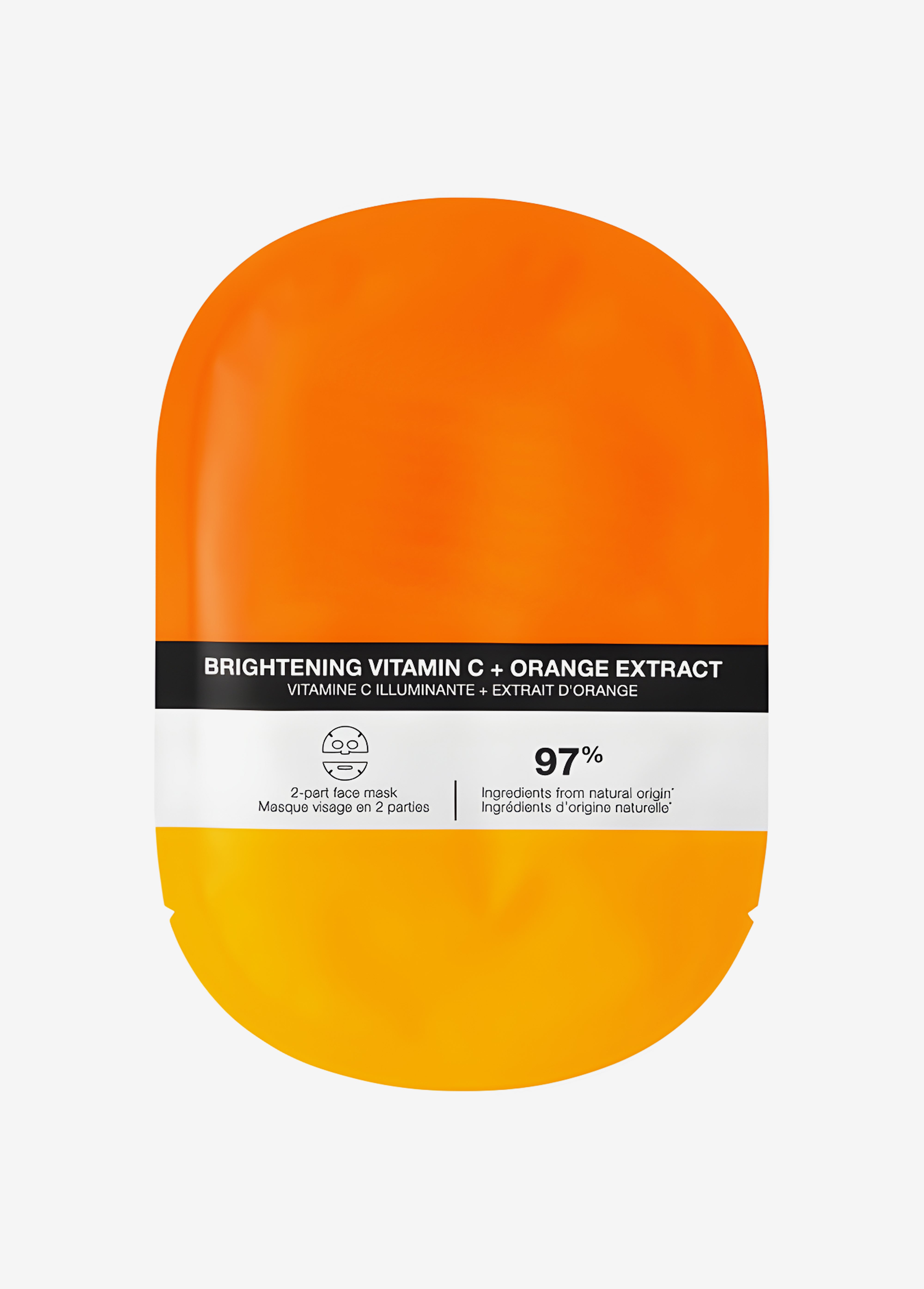
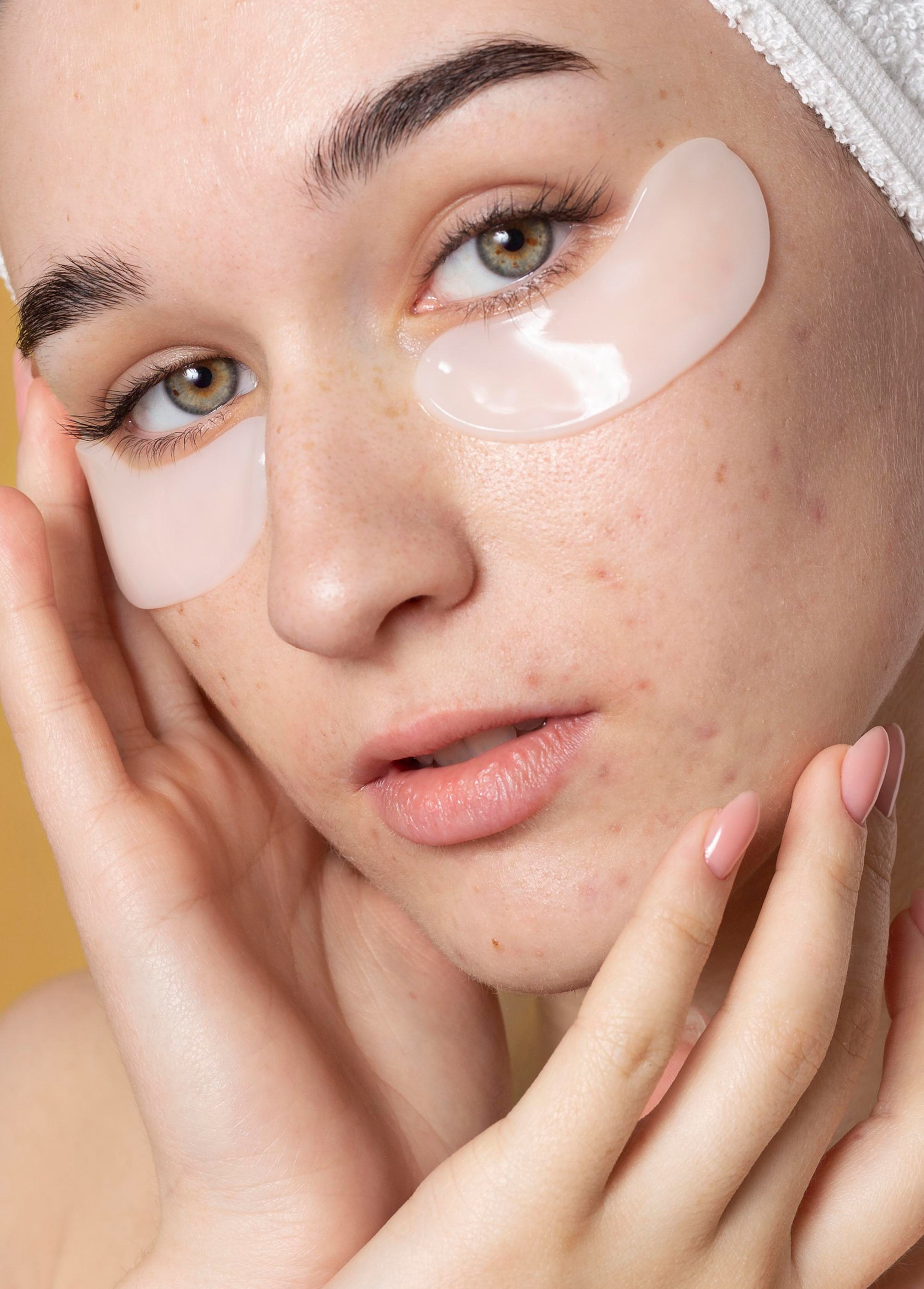
Don’t forget the external factors. Running a humidifier in your bedroom, especially during winter, can help prevent water loss while you sleep. Hydrating sheet masks are another great tool, delivering a quick moisture boost before makeup or bedtime.
Another often overlooked contributor to hydration is diet. Eating water-rich foods like cucumber, watermelon, and leafy greens, along with drinking enough fluids, supports your skin from the inside out. But remember—topical hydration is still necessary, as water consumed orally benefits the entire body, not just the skin.
Also be mindful of products that can dry you out, such as those containing high concentrations of alcohol, strong exfoliants, or overly stripping clay masks. Balance is key.
If you wear makeup, starting with well-hydrated skin ensures better application. Foundation sits more smoothly, powders don’t cling to flakes, and your face retains a dewy, healthy glow rather than a cakey or flat finish.
In essence, a hydrated skin barrier is resilient, radiant, and less reactive. It heals faster, looks plumper, and performs better under stress. No matter your skin concerns—acne, aging, pigmentation—it all starts with hydration.